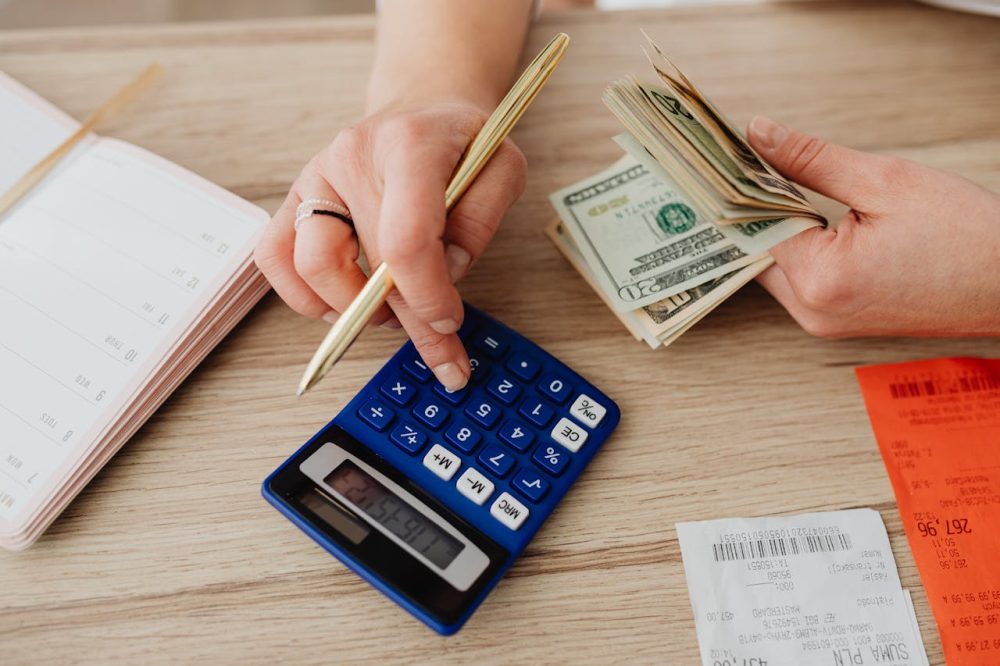
Having millions in the bank might make expensive restaurant dinners feel like pocket change. Suze Orman does not see it that way. The 75-year-old personal finance expert still prefers meals cooked at home and remains sharply critical of spending money on restaurant food.
Orman has promoted frugal habits for years, but rising food prices have made her argument more timely. Speaking about the cost of eating out, she recently told The Wall Street Journal, “I couldn’t agree with that more if I tried. It’s even gotten worse.” She then made her own routine clear, adding, “We still to this day eat at home.”
Why Suze Orman Thinks Dining Out Wastes Money?

Restaurant visits, delivery orders, and frequent takeout therefore fall into the “want” category in her approach to personal finance.
However, that does not mean Orman never steps inside a restaurant. She and her wife, television producer Kathy Travis, occasionally eat out with friends. When that happens, Orman says she pays the entire bill because she does not want friends with less wealth spending their own money on an expensive meal.
Her reasoning may sound extreme, especially for someone who can easily afford a restaurant bill. Yet that is exactly what makes her habit interesting. Orman does not treat saving money as something people should abandon once their income rises. She treats it as a permanent way of thinking about value.
Current food prices give the expert financial advisor more ammunition. Eating away from home has become noticeably more expensive as restaurants deal with higher labor, ingredient, rent, and operating costs. Those expenses eventually reach customers through menu prices, fees, tips, and other charges.
Even traditionally cheap fast food no longer feels especially cheap to many customers. Orman has pointed to major fast-food chains while questioning how quickly a basic order can become expensive. “Look up McDonald’s. Look up Taco Bell. Are you kidding me?” she said while criticizing today’s prices.
Orman’s Coffee Rule Is Even Stricter
Restaurant food is not Orman’s only target. She has also become famous for rejecting expensive café coffee. Instead of making a daily coffee run, she brews Café Bustelo at home and keeps the difference in her pocket.
Her language on the subject is deliberately dramatic. Orman has said she would “drop dead” before regularly spending money on coffee from a café. The issue is not that one cup will wreck someone’s finances. Her concern is what repeated purchases can cost over decades.
Orman argues that investing that money can produce a much different result over a long period. She has claimed that consistently investing around $100 per month in a Roth IRA could eventually grow into a very large sum, depending on returns and the length of time invested. She once described habitual coffee spending in especially colorful terms, saying buyers could effectively be “peeing $1 million down the drain.”
The Bigger Money Lesson Behind Orman’s Frugality

Someone who loves a monthly dinner with friends might consider that money well spent. Ordering delivery five nights a week because cooking feels inconvenient presents a different financial question. The important distinction is intentional spending versus an expensive routine that happens without much thought.
Her own wealth makes the lesson more striking. Having enough money to afford something does not automatically make buying it worthwhile. Orman can afford restaurant dinners and café coffee, but she still judges those purchases by the value she believes they provide.