Savings accounts are not doing what they used to. If your money is just sitting in a standard savings account, you are likely earning next to nothing, about 0.38% APY according to the FDIC.
That is right! Less than half a percent. And yes, that is after the latest rate drop from the Federal Reserve.
This decline wasn’t a fluke. The Fed started cutting rates late last year, and it has dragged average savings yields down with it. If you are still banking with a big-name institution, chances are your savings account is barely earning interest. But it doesn’t have to be that way.
Online Savings Accounts Are Still Paying Out Big
High-yield savings accounts are mostly online and easy to open, and they are crushing traditional banks. While the national average sits at 0.38%, online options offer anywhere from 4.20% to 5.00% APY, which is more than 10 times higher in some cases.
Take Varo Money, for example. It is paying 5.00% APY right now. That is about as good as it gets in July 2025. Other solid options include EverBank, Bread Savings, Openbank, and Peak Bank. They are all hovering between 4.30% and 4.44% APY.
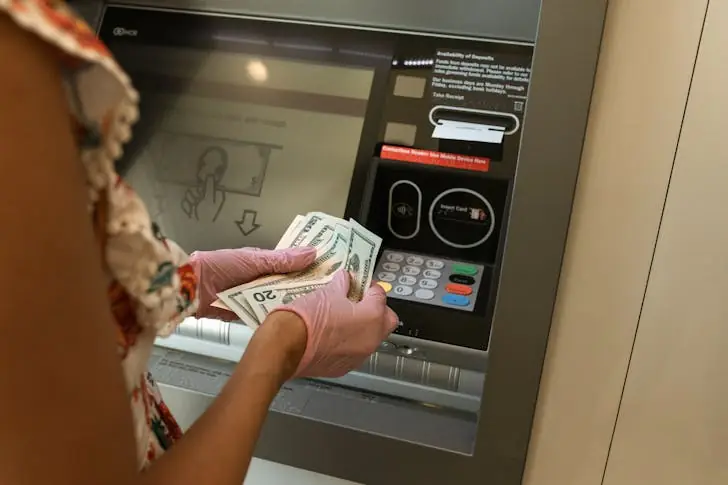
These banks may not have household names, but they are turning heads with rates that actually grow your money.
The Fed’s Moves Are Shaping Your Returns
Federal Reserve policies set the tone for how much banks can afford to pay. When the Fed slashes rates, banks follow. That is exactly what has happened over the past few months. As borrowing costs dropped, so did the incentive for banks to offer higher yields on savings accounts.
While traditional banks often drag their feet with rate changes, online banks adjust faster. This gives you more flexibility and more money.
However, traditional banks are behind the curve. The Chase Premier Savings account, for instance, offers just 0.01% APY by default. That is practically nothing. Yes, you can boost it slightly by linking a checking account and using it often, but even then, the increase is barely noticeable.
This kind of setup is common. Big banks often advertise higher rates, but the fine print reveals restrictions. They will ask you to jump through hoops: monthly transactions, balance minimums, or account pairings. Even then, the rates rarely touch what online banks are giving out for free.
Your Bank Might Be Holding You Back
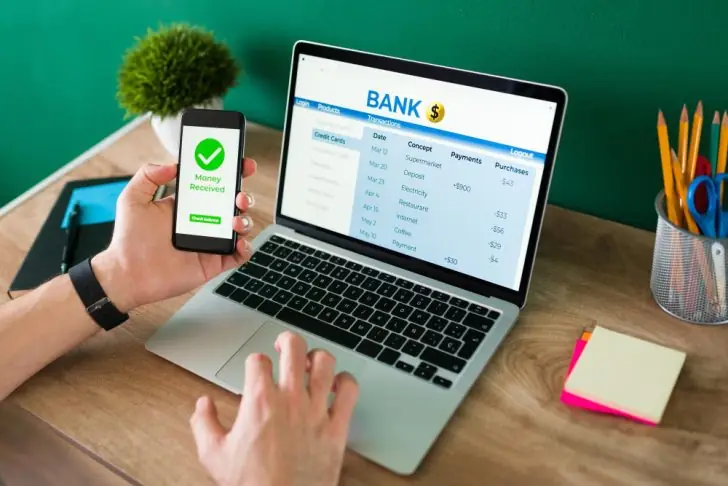
If your savings account is not giving you at least 4%, it is time to shop around. And no, loyalty doesn’t pay in this case. Sticking with the same bank because it is familiar could be costing you hundreds in lost interest every year.
They offer better rates, fewer fees, and quicker access to your money. Don’t assume your current setup is good just because it has been easy. Easy doesn’t grow your cash.
Some banks boost your savings account rate if you also have a checking account with them. It is a smart way to keep customers in-house. But be careful. These deals often come with strings attached, like minimum balances, transaction requirements, or monthly fees.
Still, it can work in your favor if you are already using that bank for checking. Just make sure the rate bump is worth it. For example, linking a Chase Sapphire Checking account to your Chase savings could bump your rate a little, but not enough to beat even the lowest high-yield accounts out there.