In 2017, one of the leading online retailers, Amazon joined forces with Whole Foods and their business was booming the moment they blended in together. This is all according to a recent report done by OneClickRetail, this is after the store traffics noticeably increased right after Amazon made a few discounts on some items from selected Whole Foods branches. Statistics also showed that not just Amazon.com but also Amazon fresh experienced a huge bump because of the acquisition of Whole Foods.
The 365 Everyday Value brand of Whole Foods is considered to be one of the most successful ones ever since Amazon took over, in fact, it is the second-best selling private label of the said the online retail company. The proof was the $11 million that it banked just a few months it was released in 2017. However, Whole Foods are currently facing the wrath of their customers, and the reason is that of their stocks, keep reading to find out more.

The food shortage dilemma
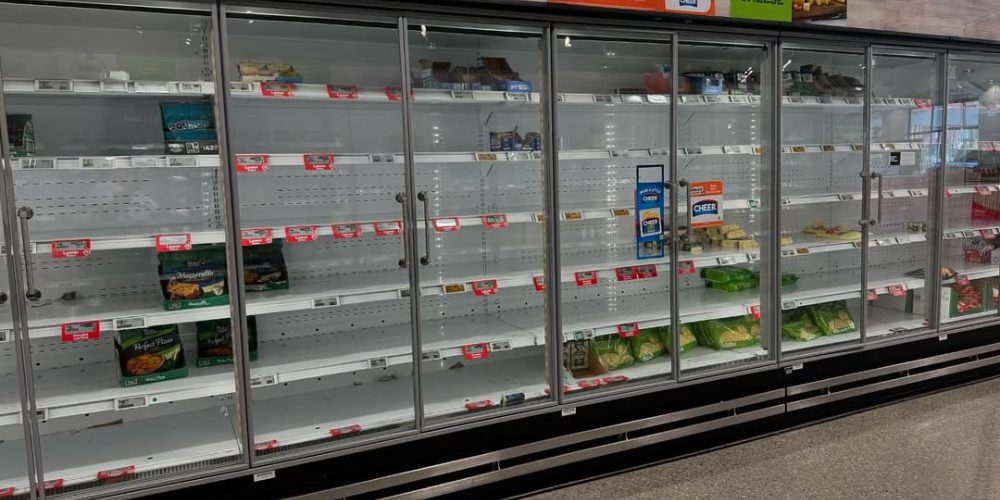
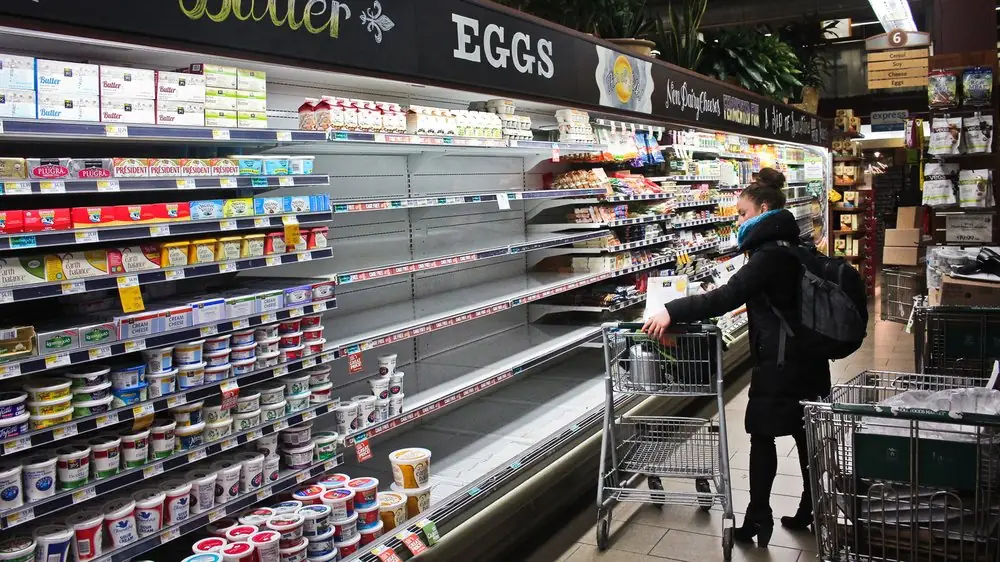
As a consumer, you would want to find your favorite and most convenient grocery store to be always full of stocks because that way you would feel the fulfillment and be calm since you would know that they have what you need to buy. So seeing that there are actually empty shelves would definitely make you worry even just for a bit. Which is why Whole Foods is definitely far from being too happy because they are having empty shelves and unhappy customers for the past couple of days. According to a report by the Business Insider, it may have to do with the company’s inventory management.

Customers are definitely not the only ones who are getting annoyed, but the employees as well. They are the ones facing the customers and they can’t really address the problems. According to experts, Amazon, who acquired Whole Foods and faced such a huge sales leap last year may not have had a new system inventory, so they are the ones who must handle this crisis that the Whole Foods are facing.
An anonymous revelation
In an interview with Business Insider, an unnamed employee said that the order-to-shelf inventory system was supposed to fix their problem because what it does is that they stores will then be able to order what they actually need in their branch so that they could fill the aisles and of course the demands of the customers. Employees were actually given the right to order straight from the delivery trucks which leads to them skipping the stock room. Store managers are also there to make sure that they are not exactly overstocking and that everything is in the right order. Employees who are of course caught doing a serious mistake when it comes to these matters are at risk of actually losing their jobs especially if they are written up for more than three times.
Stock up on this week's #DelishDeals with @larabar, @barnana, @kettleandfire and more: https://t.co/0YnLi1KYoB pic.twitter.com/pa6c4M3btD — Whole Foods Market (@WholeFoods) January 20, 2018
So technically, the order-to-shelf inventory system was successful, until it led to empty shelves. It seemed as if the fact that they are afraid to overstock actually got their shelves a little empty because of the excess demand from customers. Delivery issues from suppliers also left aisles empty. Of course, customers are not the only ones who are disappointed because employees who are under a strict inventory checking are stressing out as well because of this, and it could lead to poor customer service as well which could also ruin Whole Food’s reputation. The company introduced this system themselves and Amazon actually have to fix this problem because they have acquired a huge part of the company they include its hundreds and thousands of customers who love organic and locally produced products.

Based on the reports weeks ago by Business Insider, analysts believes that all this empty shelves and aisles started during and right after the holiday season, and it is the duty of a big grocery store such as Whole Foods who was recently acquired by a much bigger company, Amazon, to make sure that their inventory system is at its finest especially during this generation’s highly competitive grocery industry. If they don’t sort this out as quickly as they can, their loyal consumers may reach their limits and that is something that any company wouldn’t want.