
The world is on the brink of a robotic revolution, and it’s not just about the machines taking over. Companies pioneering this technological shift seek skilled individuals to help design, build, and implement these robots. Automation is poised to reshape the job landscape in the coming years, and workers have a unique chance to participate in this transformative wave.
A Balanced Outlook
According to the World Economic Forum’s Future of Jobs Report for 2023, adopting both humanoid and nonhumanoid robots is expected to impact employment in various ways. The effects will vary by industry, with sectors like electronics, energy tech, and consumer goods at the forefront of adopting robotics.

In some industries, such as consumer goods and oil and gas, approximately 60% of companies foresee job losses due to automation. However, in contrast, 60% of companies in information and technology services anticipate job creation due to robots in the next five years.
Joining the Robotics Revolution
Companies like Zipline are actively seeking to expand their workforce as they venture into the world of automation. Zipline, a San Francisco-based startup, specializes in designing, building, and operating autonomous delivery drones. With clients ranging from hospitals to major brands like Walmart and Toyota, they are currently looking to add at least 100 new employees.
Job opportunities span a wide range, from electrical and mechanical engineering to coding and security. The CEO of Zipline, Keller Rinaudo Cliffton, is excited about the potential of automation to revolutionize the delivery ecosystem. He emphasizes that automation doesn’t necessarily eliminate jobs; instead, it drastically increases the productivity of individuals.
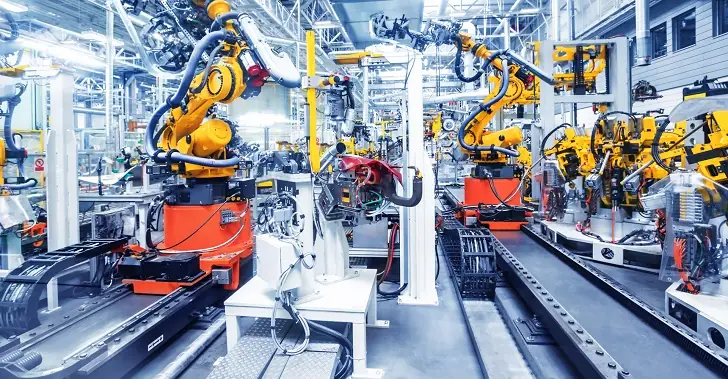
In the past, one person could make one delivery at a time, but with automation, that person could manage a fleet of robots, enabling them to complete 50 deliveries in an hour instead of just five. These are the kinds of jobs that people truly desire.
The Benefits of Automation
Automation offers a twofold advantage in large corporations or small businesses. It relieves workers of monotonous or dangerous tasks, making their daily roles more manageable and safer. Simultaneously, it allows companies to remain competitive, enhance production processes, and address labor shortages.
Jeff Burnstein, President of the Association for Advancing Automation (A3), which comprises 1,200 member companies worldwide, underscores how automation is a tool for workers to become more effective in their current roles. This, in turn, makes them better suited for the more promising, safer, and higher-paying jobs of the future.
A Global Shift Towards Automation
China’s extensive adoption of robotics underscores the growing importance of automation in the global business landscape. Despite abundant and low-cost labor, even countries like China recognize the necessity of automation to maintain their competitiveness on a global scale.
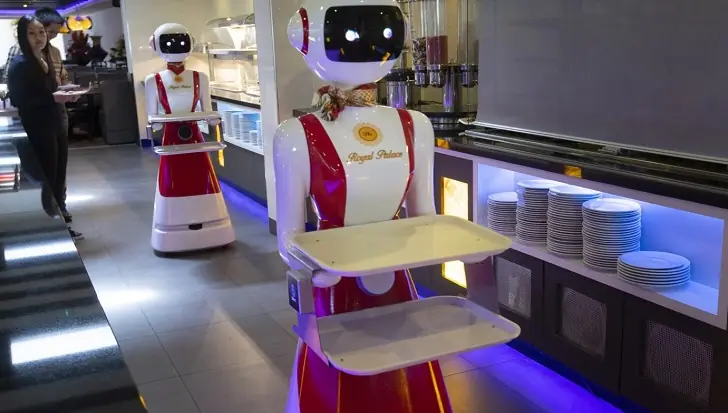
The Rise of Automation in Food Service
Automation is not confined to manufacturing or delivery sectors; it’s also making inroads into food service. Companies like Vebu Labs are collaborating with industry giants like Chipotle to develop robots that streamline kitchen tasks. For instance, Chipotle’s “Autocado” robot simplifies avocado preparation for guacamole, while “Chippy,” a chip-making robot from Miso Robotics, frees workers to focus on other essential kitchen duties.
Vebu Labs, based in El Segundo, California, plans to hire over 40 workers in the U.S. for various roles ranging from engineering to accounting to fabrication. The demand for their services is skyrocketing, driven by the persistent labor shortages experienced in the restaurant industry.